Bridging the Divide: Making Every Classroom Truly Inclusive
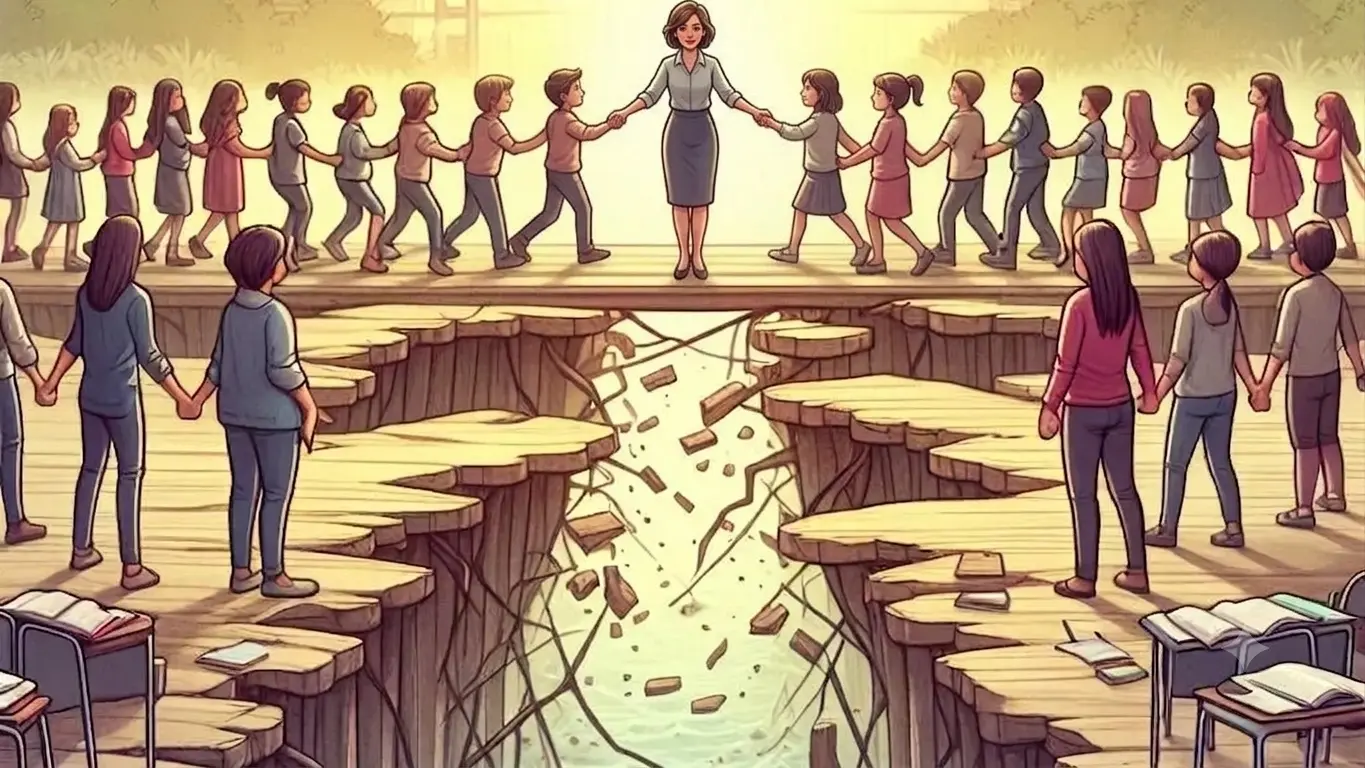
A classroom is more than walls, desks, and a chalkboard. It is a miniature society — a place where children from different walks of life gather under one roof, carrying with them different languages, abilities, strengths, and struggles. Yet, too often, classrooms remain silent witnesses to divides: the student who cannot follow because of a language barrier, the child with dyslexia who feels invisible, the quiet learner overshadowed by louder voices.
True education begins only when these divides are bridged, when every child feels that the classroom belongs to them, and they belong to the classroom.
The Promise of Inclusivity
At its heart, inclusivity is not about giving “special treatment.” It is about ensuring that every learner, regardless of background or ability, has equal opportunity to succeed. An inclusive classroom celebrates diversity rather than ignoring it.
For the child who struggles with reading, inclusivity means alternative pathways to understanding.
For the child who speaks a different first language, it means not feeling left out in discussions.
For the child with physical or cognitive differences, it means access without barriers.
Inclusion is the promise that no student will be left behind — not in knowledge, not in participation, not in belonging.
The Barriers That Still Exist
Despite progress, many classrooms still fall short of inclusivity. The reasons are clear:
Language Barriers:
In multilingual societies, children who don’t speak the dominant classroom language are often silenced, their ideas left unexpressed.
Learning Differences:
Students with dyslexia, ADHD, or autism face rigid teaching methods that fail to adapt to their unique needs.
Accessibility Issues:
Physical barriers, lack of assistive technology, or absence of supportive resources make education harder for differently-abled learners.
Teacher Overload:
With large classes and tight curricula, teachers often lack the time or tools to personalize learning for everyone.
The divide is real — and unless consciously addressed, it widens with every passing year.
Moving Beyond One-Size-Fits-All
Every learner is different. Yet, traditional classrooms often rely on uniform teaching methods — lectures, standard assignments, one-format exams. This “one-size-fits-all” model doesn’t just fail some students; it discourages many.
The way forward is flexibility: multiple modes of teaching and assessment that respect diverse strengths. Visual aids for visual learners, discussions for auditory learners, interactive activities for kinesthetic learners — when classrooms adapt, students thrive.
The Teacher as a Bridge
Teachers are at the heart of inclusivity. They are not just transmitters of knowledge; they are weavers of belonging. By consciously including different perspectives, offering alternative explanations, and creating safe spaces for participation, teachers turn classrooms into communities.
But the burden cannot rest on their shoulders alone. Teachers need support — practical tools, training, and technologies that help them reach every child without burning out.
How Technology Can Support Inclusivity
This is where innovations like Teachrity become powerful allies. Inclusivity is not just a moral duty — it is also a logistical challenge. With dozens of students in a class, how can one teacher adapt to all? Technology makes this possible.
Language Support:
Real-time translation and simplified resources help students overcome language barriers.
Learning Differences:
Adaptive learning tools provide content in multiple formats — audio, visual, interactive — so students can choose what works for them.
Accessibility:
AI-driven platforms can integrate with screen readers, speech-to-text, and other assistive technologies, ensuring no student is excluded.
This blend of empathy and innovation ensures that inclusion is not just an idea, but a daily reality.
Building a Culture of Belonging
Inclusivity is not achieved by technology alone. It requires a cultural shift in classrooms:
Encouraging peer support, where students learn from and help each other.
Valuing multiple languages, dialects, and expressions as strengths rather than obstacles.
Celebrating diversity through projects, stories, and activities that highlight different perspectives.
When students see diversity as normal, not exceptional, the classroom transforms into a place of belonging.
Conclusion
To make every classroom truly inclusive is to honor the dignity of every child. It is to say: your voice matters, your struggle matters, your learning matters.
Bridging the divide is not easy, but it is possible. With compassionate teachers, supportive peers, and intelligent tools like Teachrity AI, education can rise above barriers.
Because the measure of a great classroom is not how well its top students perform, but how deeply every student feels included.
The future belongs not to the classrooms that teach the most, but to those that embrace the most.